 Skip to content
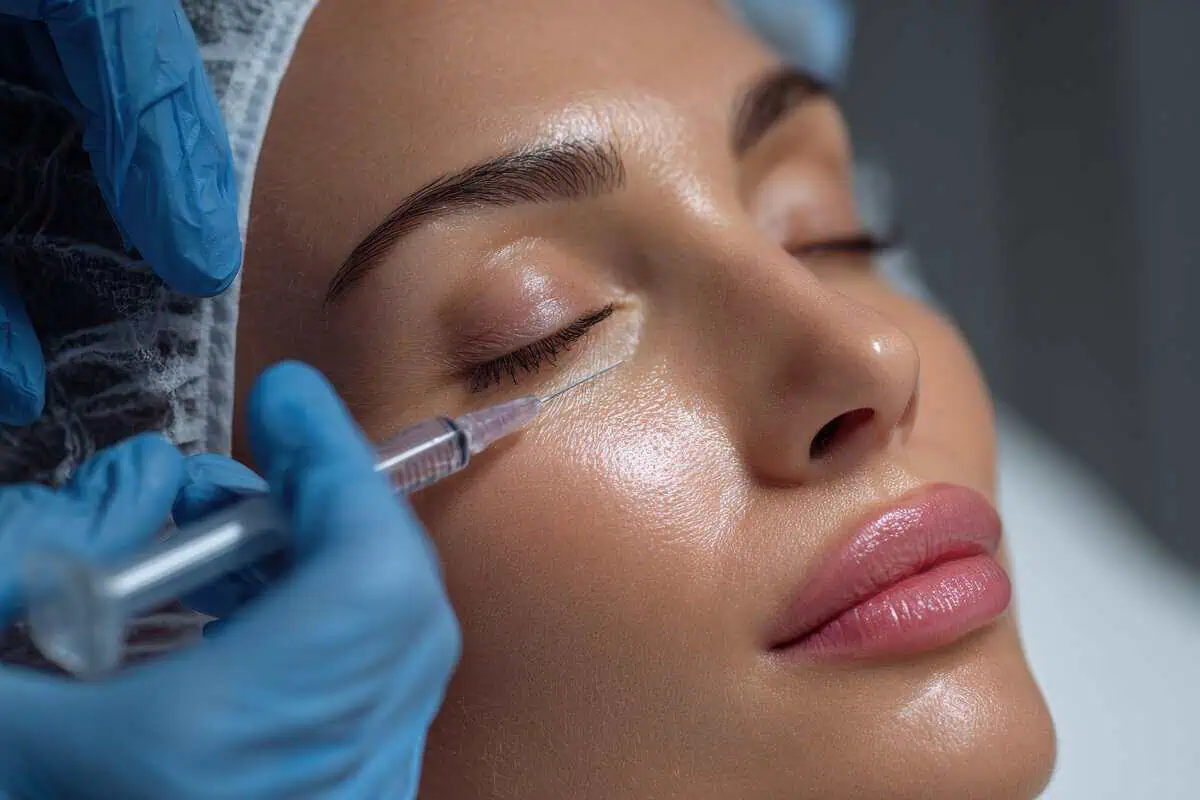
Table of Contents
Facial volume loss can make the cheeks look flatter, the under-eyes appear more tired, and the overall face feel less defined. Facial volume restoration with dermal fillers offers a non-surgical way to refresh these areas by restoring support where volume has naturally changed. With the right placement and treatment plan, dermal fillers can help create a smoother, more balanced appearance that still looks like you.
Why Facial Volume Loss Changes the Whole Face
Facial aging is often described in terms of lines, but volume loss can be just as noticeable. As collagen and elastin decrease, the underlying fat pads may thin or shift. Bone structure can also change gradually. These changes can affect the cheeks, temples, under-eye area, chin, and jawline.
Volume loss may show up as flatter cheeks, deeper smile lines, shadows under the eyes, or less definition along the lower face. Some people notice that makeup settles differently. Others feel their face looks tired in photos even when they are sleeping well.
Dermal fillers help by supporting volume in selected areas. The treatment does not stop aging, and it does not tighten loose skin the way surgery can. Instead, it offers a non-surgical way to improve contour and soften hollows.
How Dermal Fillers Work for Volume Restoration
Most commonly used fillers for volume are made with hyaluronic acid, a substance naturally found in the body. Different fillers have different textures and levels of firmness, so the product used for the cheeks may not be the same one used near the eyes or lips.
A thoughtful filler treatment starts with a facial assessment. Your provider should look at facial proportions, skin quality, bone structure, and how your face moves when you smile, talk, and rest. Too much filler in the wrong area can look heavy, while conservative placement in the right area can look clean and natural.
Dermal fillers in New York, NY, treatments should be planned with anatomy, facial movement, and long-term balance in mind.
Cheek Fillers and Midface Support
The cheeks play a central role in facial shape. When midface volume decreases, the face may appear flatter, and the area beneath the eyes can look more shadowed. Cheek fillers can help restore contour in the midface while giving the face a softer appearance.
Cheek treatment does not have to create dramatic roundness. In many cases, the best result is a gentle improvement that looks like better structure, not obvious filler. The provider may place filler along the cheekbone, in the central cheek, or in nearby areas, depending on the patient’s natural anatomy.
Under-Eye Fillers for Hollow or Tired-Looking Eyes
The under-eye area is delicate because the skin is thin and the surrounding anatomy is complex. Hollowness in this area can create shadows that make the face look tired, even when there is no true discoloration. Under-eye fillers may help soften that hollow look when the concern is caused by volume loss.
Not everyone is a candidate for under-eye filler. Puffiness, fluid retention, skin laxity, or certain under-eye shapes may need a different approach. In some cases, cheek support should be addressed first because the cheek and under-eye area are closely connected.
Jawline Fillers for Lower-Face Definition
The jawline can lose sharpness as volume shifts, skin support changes, or the chin becomes less defined in relation to the rest of the face. Jawline fillers can help improve lower-face structure by adding shape along the jaw or balancing the chin and lower profile.
Some patients want a softer but more defined lower face. Others want a better balance between the chin, cheeks, and jawline. The amount and placement should depend on facial shape, not a standard template.
Non-Surgical Facial Rejuvenation Without Overcorrecting
A balanced approach to non-surgical facial rejuvenation is often built in layers. One person may benefit from cheek support, while another may need small adjustments around the chin or under-eye area. The best plan is not always the one with the most filler. It is the one that addresses the right areas with restraint.
Good filler work should allow the face to move normally. Expressions should still feel familiar. The face should look refreshed, not stiff or swollen.
What to Expect During Treatment
A dermal filler appointment is usually simple and structured. Your provider will guide you through each step so the treatment feels clear and comfortable.
- Your visit begins with a consultation to discuss your goals, areas of concern, medical history, allergies, medications, and any previous injectable treatments.
- Your provider will evaluate your facial structure, skin quality, natural contours, and facial movement to determine where filler may be placed.
- The treatment areas are cleaned carefully before injections begin.
- Filler is placed into selected areas using a fine needle or cannula, depending on the treatment plan and area being addressed.
- Many dermal fillers contain lidocaine to help reduce discomfort during treatment.
- You may feel mild pressure, a small pinch, or temporary tenderness as the filler is injected.
- The appointment time can vary based on the number of areas treated, but most filler visits are relatively brief.
- After treatment, mild swelling, redness, bruising, or firmness may occur and usually improves with time.
- Your provider may recommend avoiding intense exercise, alcohol, excessive heat, or pressure on the treated areas for a short period.
- You will receive aftercare instructions based on the filler used and the specific areas treated.
How Long Results May Last
Filler longevity depends on the type of filler, treatment area, amount placed, and how your body metabolizes the product. Areas with more movement may break down filler faster. Structural areas such as the cheeks or jawline may last longer than softer, high-movement areas.
Some patients schedule maintenance before the filler fully fades, while others prefer to wait and reassess over time.
Is Facial Volume Restoration Right for You?
Dermal fillers may be a good option if you have mild to moderate volume loss, hollow areas, or changes in facial contour that you want to address without surgery. The right plan starts with an honest evaluation. Filler can improve volume and contour, but it cannot correct every concern. Skin laxity, deep structural changes, or certain under-eye issues may need a different treatment approach.
Effortlessway Aesthetic Dermal Fillers New York, NY
At Effortlessway Aesthetic in New York City, dermal filler treatment is approached with the understanding that fine lines, hollow areas, and loss of volume can affect both appearance and confidence. The focus is on simple, non-surgical correction that fits the patient’s natural features.
Our team offers filler treatments that can restore volume, smooth folds, and enhance facial contours with a customized plan. Patients may seek treatment for fuller lips, a more defined jawline structure, softer under-eye hollows, or improved cheek contour. Each treatment is planned around facial anatomy, comfort level, and the type of result that feels appropriate for the individual.
For patients comparing options for dermal fillers in New York, NY, choosing a provider who assesses the whole face can make a meaningful difference. Filler placement should never feel rushed or generic, especially when treating areas that affect balance and expression.
Book an appointment to restore volume and refresh your appearance.


